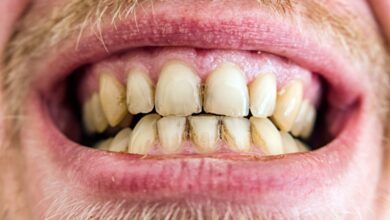
There is something quietly comedic about the fact that humans use their teeth every single day, yet most people cannot say with confidence how many they actually have. It is one of those universal trivia mysteries, like forgetting your Wi-Fi password right when guests arrive. Still, the story of human teeth is far more interesting than a simple number. It is a timeline of arrivals departures upgrades and the occasional uninvited guests known as wisdom teeth. And yes, the mouth is far busier than people imagine.
How many baby teeth does a child have
Children begin life with twenty baby teeth, which is adorable considering the dramatic effect these tiny pieces have on entire households. These teeth appear between six months and three years old, always with theatrical timing and plenty of late night performances. Baby teeth teach children how to chew speak and charm grandparents. They also hold the exact spots where future adult teeth will settle, which makes them the loyal interior designers of every smile. When they fall out between ages six and twelve, the real dental show begins.
How many adult teeth does a person have
Most adults have thirty-two permanent teeth, although this number feels flexible depending on genetics late night snacking habits and the unpredictable mood of wisdom teeth. These permanent teeth take over gradually from childhood to the early teenage years. Incisors slice food canines guide the bite premolars crush and molars grind with the enthusiasm of a blender at full speed. Together they create the engine that allows humans to enjoy everything from apples to shawarma without hesitation.
How many wisdom teeth a person may have
Wisdom teeth are the comedy subplot of dentistry. Technically, humans are meant to develop four of them, yet nature likes to improvise. Some people get all four, some get one, some get none and others receive them sideways as if the tooth took a wrong turn on the way in. These teeth tend to erupt between seventeen and twenty-five and often end up being removed simply because they show up late without checking if there was available seating. When they stay, the total count is thirty-two. When they do not, the final number becomes twenty-eight.
Why tooth count varies between people
The number of teeth each person has is a blend of genetics biology dental choices and a sprinkle of luck. Some people naturally never develop wisdom teeth. Others remove them early for comfort or alignment. Orthodontic treatments can adjust the final count, and dental conditions or accidents may affect it as well. Despite all this variation, the quality of a smile depends far more on care and confidence than on the exact number. A healthy, aligned smile carries more charm than any numerical precision.
Tooth anatomy explained simply
Every tooth has three main components that work quietly behind the scenes. The crown is the visible top part that you show the world. The root holds the tooth firmly inside the jaw like a backstage anchor. The enamel is the superhero layer protecting everything beneath. Under the enamel lives the dentin and the pulp, which carries nerves and blood vessels. Understanding this structure makes it easier to understand sensitivity toothaches and why dentists insist on brushing with proper technique.
When teeth grow and fall out
The average timeline is surprisingly consistent. Babies begin teething around six months. By age three, children usually have a complete set of twenty baby teeth. Around age six, these teeth begin to fall out, creating the familiar childhood excitement of loose teeth and tiny envelopes for the tooth fairy. By age twelve or thirteen, the full set of adult teeth except wisdom teeth is typically in place. Wisdom teeth may or may not appear between seventeen and twenty-five. Their unpredictability is part of their legend.
Why humans need so many teeth
Humans have evolved to eat a wide range of foods and therefore need a variety of teeth with different shapes and strengths. Incisors cut food. Canines guide the bite. Premolars handle pressure. Molars grind with admirable dedication. Beyond food, teeth also shape pronunciation facial balance and overall confidence. A full set of healthy teeth influences everything from how clearly a person speaks to how wide they choose to smile in photos.
Common reasons adults lose teeth
Adults may lose or remove teeth for several reasons. Dental disease untreated cavities trauma and orthodontic decisions can all influence the final tooth count. Wisdom teeth often leave the equation entirely due to discomfort or lack of space. In modern dentistry each scenario has a solution including implants bridges and cosmetic treatments that restore both function and aesthetics. The key is not how many teeth a person has, but how well the remaining ones support their daily life.
The most important message
Whether someone has twenty-eight teeth or thirty-two, the real goal is maintaining a healthy, comfortable and confident smile. Good brushing habits regular cleanings and proper care matter more than the final count. A smile full of health and personality outshines any technical statistic. After all, the world does not remember how many teeth you had, but how brightly you used them.